Categories
 Accessoires & Beaux Arts
 Beaux Arts
 Bureautique
 Outils d'écritures
 Papeterie
MEILLEURES VENTES
-
 Corde à sauter
Plage de prix : Ar 19,800 à Ar 31,360
-
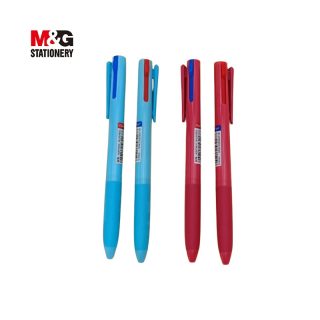 Stylo gel bicolore 0,5 mm
Ar 3,480
-
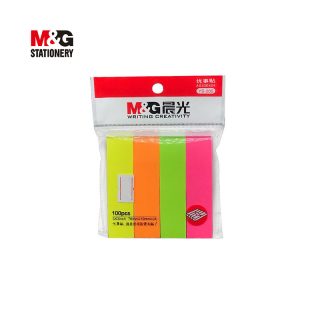 Sticky index tabs 5*20files
Ar 4,600
-
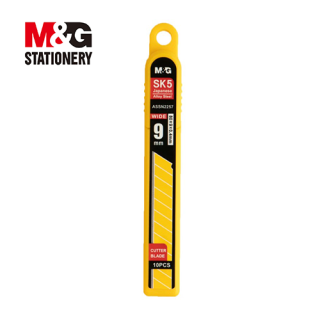 Recharge de lame cutter
Plage de prix : Ar 2,500 à Ar 5,220
-
 Papier couleur
Plage de prix : Ar 4,770 à Ar 11,800
The ante bet in 777 Money Strike looks like a small upgrade: a slightly higher stake per spin in exchange for a better shot at the bonus. The trap sits in the word « slightly ». Left running through a shrinking bankroll, that extra stake quietly outpaces the value of the improved trigger chance, and the session ends before the feature has a fair chance to land. Anyone tracking new Red Tiger slots in 2026 will see the same pattern across the portfolio: the ante is a tool, not a default setting, and knowing when to switch it off matters more than knowing when to turn it on.
This guide takes an analytical view of the mistakes that cost players most. The central one is bankroll burn: keeping the ante active when your remaining spin count has fallen below a safe threshold, so the higher stake erodes funds faster than the boosted trigger rate can repay. Around it sit other avoidable errors, from leaving the ante on out of habit to enabling it on a high-volatility setup with no plan for the downside, or trusting marketing copy instead of verified Red Tiger RTP figures pulled from official developer pages.
The method here is practical. Set a minimum spin threshold, test the on/off switch in a free play demo, compare session outcomes honestly, and only then commit real money. Red Tiger slots maintain precise mathematical declarations, which means the numbers you need to make that call are published and checkable rather than guessed. Treat the ante as a decision you make spin by spin, and the feature stops being a drain on your balance.
How the 777 Money Strike Ante Bet Actually Works
777 Money Strike is a Red Tiger slot built around a strike-style bonus trigger, and the ante bet is the lever that lets you pay extra on every spin for a better chance of reaching it. Switch the ante on and the stake rises by a fixed percentage, typically 50 percent, so a 1.00 base bet becomes 1.50 per spin. Nothing about the reels, the payline structure or the top prize changes. What changes is the weight of the trigger, which Red Tiger raises by a published multiplier rather than a vague « more often » claim.
That distinction matters because the ante bet is not a separate game with its own maths. Red Tiger slots maintain precise mathematical declarations, and the ante version carries its own return to player figure. In most Red Tiger releases the ante RTP sits within a few tenths of a point of the base game, sometimes identical, sometimes marginally lower. Check the paytable or the game info screen before you commit, and cross-reference the figure against Red Tiger reviews that publish numbers sourced from official developer pages. If a review quotes a single RTP without splitting base and ante, treat it as incomplete.
The trigger improvement is where players misread the value. An ante bet that doubles the bonus frequency does not double your expected return, because the bonus round’s contribution is only part of the overall RTP. If the free spins feature accounts for roughly a third of returns, doubling its hit rate lifts total expectation by a fraction of that, while your stake per spin rises by half. The ante is therefore a variance tool first and a value tool second. It buys more frequent shots at the high-variance part of the slot, and it costs you more per hour of play regardless of outcome.
Volatility compounds the effect. On a high-volatility Red Tiger title, the ante stretches the dry spells between triggers in cash terms even as it shortens them in spin terms. Two players running identical sessions can end up hundreds of spins apart in bankroll simply because one left the ante on through a cold stretch. The mechanic rewards players who can absorb a longer, more expensive run of dead spins without altering their bet size.
None of this is hidden. Red Tiger Online provides free demos and an app for every slot, and the ante toggle appears in the demo exactly as it does in real play. Load the demo, switch the ante on, watch the stake counter, and note how many spins pass before the first trigger. That single exercise tells you more about whether the ante suits your bankroll than any promotional copy, and it costs nothing to run. Confirm the licensed casino you use offers the same ante configuration before you deposit, since operator settings can vary.
The Bankroll-Burn Mistake: Leaving Ante On Below Your Safe Spin Count
The ante bet is a stake multiplier, and that is the whole problem. On 777 Money Strike it raises the cost of every spin to buy a better chance of triggering the bonus, so the burn rate on your balance is fixed and immediate while the return is probabilistic and delayed. A player with a 100 currency unit bankroll and a base stake of 0.20 is not running a 500 spin session any more. With the ante on, the effective stake rises and the same balance buys noticeably fewer spins, which means fewer chances to hit the trigger that justified the extra spend in the first place.
The arithmetic is unforgiving. If the ante lifts the stake by 50 per cent, you lose a third of your spin count. The improved trigger chance has to repay that lost third, plus the house edge on the extra stake, before the ante becomes worth it. Over a short session it usually does not, because bonus frequency improvements are measured across hundreds of thousands of spins, not across the 60 or 80 spins a small balance actually funds. Red Tiger slots maintain precise mathematical declarations, so you can read the published return to player and volatility in Red Tiger reviews rather than guessing, but no RTP figure rescues a session whose spin count is too small for variance to average out.
Set a Minimum Spin Threshold Before You Enable the Ante
The practical fix is a spin threshold. Work out your base stake, decide how many spins you want the session to last, and calculate what the ante does to that number. If the ante cuts your session below your threshold, leave it off. A workable rule for most balances is 150 spins at the ante stake as a floor; below that you are paying for a trigger chance you are unlikely to reach. Once your remaining balance divided by the ante stake falls under your threshold, switch the ante off and continue at the base stake, or stop.
Two behaviours make this mistake worse. The first is leaving the ante on by default and never recalculating as the balance drops, so the final third of a session is played at the most expensive stake with the least runway. The second is raising the ante stake after a dry run of spins to « force » the bonus, which compounds the burn exactly when the maths is already against you. Ante bet features reward discipline, not escalation. Set the threshold, note it, and treat it as a hard switch rather than a preference.
Other Ante Bet Errors to Avoid in New Red Tiger Slots
Leaving Ante On by Default and Ignoring Volatility
The most common error after bankroll burn is simple inertia. Players enable the ante bet once, enjoy a session with a faster trigger, and never touch the toggle again. On 777 Money Strike that means every spin costs the higher ante stake whether or not the session is suited to it. Set a rule before you start: ante on for the first block of spins, off once the threshold is reached, and reviewed again after any big win changes the bankroll picture.
The second version of this mistake is enabling ante on high-volatility settings without a plan. Ante bets raise the cost per spin to buy a better trigger chance, but they do not soften variance. Red Tiger slots maintain precise mathematical declarations, so you can check the published volatility and return to player before deciding. Compare the figures honestly: a high-volatility release with a maximum payout in the thousands of x can run long dry spells, and paying the ante premium through a cold streak is the fastest way to end a session early. If you would not play the base game at that stake, do not play it with ante on.
Watch the payline structure too. A 729-ways game such as Cocks & Robbers, with its low volatility, behaves very differently from a 4,096-ways release like Dynamite Riches The Mother Lode. The ante premium is the same idea across the portfolio, but the variance you are paying it against is not.
Trusting Marketing Claims Over Verified Red Tiger RTP Data
When assessing new Red Tiger slots in 2026, treat promotional copy as advertising, not data. Affiliate pages and streamer thumbnails routinely quote inflated RTP figures, omit volatility, or present a demo session as proof of payout behaviour. Red Tiger Online publishes figures sourced from official developer pages, and Red Tiger reviews that cite those numbers are the ones worth reading. If a page cannot tell you the return to player to two decimal places and the volatility rating, close the tab.
Use a slot comparison tool to line up the declared RTP, volatility and maximum payout side by side before you commit. Check the slot release date as well: a title launched in the ten new slots Red Tiger released between May and October 2026 may still have thin independent data, so lean on the developer’s own declarations and your demo results instead. And keep the ante decision separate from the hype. A 25,000x headline on Stormfire or a 20,000x scatter pays ceiling on Thor’s Rage 2 says nothing about whether ante betting suits your bankroll this evening.
Finally, set loss and time limits before the session and keep them fixed regardless of what the ante toggle promises. Responsible gambling starts with numbers you chose while calm, not ones you negotiate mid-spin.
Testing Ante Settings Safely with Red Tiger Demos Before Real Play
Red Tiger Online provides free demos and an app for every slot, which makes rehearsal practical rather than theoretical. Open the 777 Money Strike demo, set a notional bankroll that matches what you would actually deposit, and run two parallel sessions of 200 spins: one with the ante bet on throughout, one with it on only while your spin count sits above the threshold you derived from your real balance. Log the balance after every 50 spins. The comparison tells you more in an hour than any Red Tiger review can, because the variance you meet is your own.
Keep the test honest. Demo credits are not real money, so the temptation is to leave the ante on far longer than you would in a paid session. Force the discipline by writing the switch-off point on paper before you start and stopping the ante at exactly that spin number, even if the trigger feels close. Repeat the run three or four times. A single session proves nothing about slot volatility, but a set of four gives you a rough sense of how often the ante version finishes ahead and by how much.
Use Red Tiger reviews as a cross-check, not as a substitute. Red Tiger slots maintain precise mathematical declarations, and Red Tiger Online publishes figures sourced from official developer pages, so the return to player and maximum payout quoted for 777 Money Strike should be verifiable rather than taken from an affiliate banner. Confirm the base RTP figure and check whether the ante bet changes it. Where a review quotes a number that does not match the developer page, treat the review as marketing and move on. The same applies to claims about the bonus buy feature, which is a separate purchase from the ante and carries its own cost-to-return profile.
Before you commit real funds, confirm four things in the demo: the exact extra stake the ante adds per spin, the spin count at which you will switch it off, the loss limit that ends the session regardless of ante state, and whether the mobile slot app runs the same maths as the desktop build. Red Tiger’s app carries every slot, and a short ten-minute check on your phone is enough to confirm the ante toggle behaves identically. If you play at a licensed casino, check the game info panel there too, since operator versions occasionally differ from the demo.
Finally, set the exit before you deposit. Decide the balance at which you stop entirely, not just switch the ante off, and use the responsible gambling tools the operator offers to enforce it. A tested threshold is only worth having if you follow it when the session turns. The demo is where you learn whether you will.
Before your next real-money session, write down two numbers: your session budget and the spin threshold at which you will switch the ante bet off. A simple rule of thumb is to divide your bankroll by the ante stake, then halve the result. If either number changes mid-session, stop and recalculate. Treat the ante as a separate budget line, not as part of your base stake. That way, when the threshold is reached, turning it off is a mechanical decision rather than a judgement call made under pressure. For example, a 100 budget with a 2 ante stake gives 50 ante spins, so the switch-off point sits at 25 spins remaining. Log each session’s ante status, spin count and final balance in a note on your phone. After five or six sessions, you will have enough data to set a threshold that matches your play style. Red Tiger Online provides free demos on every slot, so rehearse the same numbers there first. Red Tiger slots maintain precise mathematical declarations, and Red Tiger Online publishes figures sourced from official developer pages, so you can verify Red Tiger RTP and volatility before committing. If you find yourself overriding the threshold more than once in a session, end the session. Set a deposit limit with the licensed casino before you start, and keep the ante off until you have run the test in demo mode at least three times.