Categories
 Accessoires & Beaux Arts
 Beaux Arts
 Bureautique
 Outils d'écritures
 Papeterie
MEILLEURES VENTES
-
 Trousse CUTE Rabbit Girl
Ar 34,070
-
 Volley-ball PVC n5
Ar 44,170
-
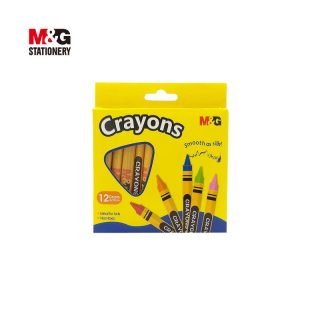 Crayon à cire 12clrs
Ar 2,780
-
 Encre Noir 60ml
Ar 5,230
-
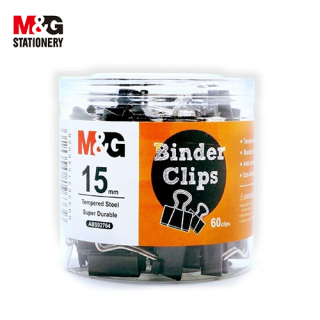 Pince double clip noire 15 mm
Ar 7,780
Progressive jackpot slots confuse newcomers because the big number at the top of the screen looks like a prize the casino is generously handing out. It is not. That figure is a pooled fund built from a slice of every stake placed on the game, and understanding who pays in, how much is skimmed, and where the pot is shared changes the way you should evaluate any jackpot title. This primer breaks down the mechanics so you can tell a genuinely worthwhile progressive from a themed novelty with a thin seed and a heavy contribution rate.
The pool is built from player stakes, not casino generosity
Every spin on a progressive slot does two things at once. A portion of your stake funds the base game, which pays out at whatever RTP the developer has set for the non-jackpot element. A smaller portion, the contribution rate, is diverted into the jackpot pool. On a typical network progressive that contribution might sit between 1% and 5% of each stake, though the exact figure varies wildly between games and is rarely displayed prominently in the paytable. The casino is not adding money to the pot out of its own pocket; it is acting as a collection agent, holding funds that players have already staked.
This matters because the contribution rate directly reduces the return-to-player of the base game. If a slot advertises 94% RTP but diverts 3% of every stake into a jackpot you are unlikely to win, the effective return on the base game is closer to 91%. The headline RTP often includes the jackpot contribution calculated at its average expected value, which is a theoretical figure that assumes the pot is won at a particular frequency. In practice, your personal return depends on when you happen to be playing relative to the pot’s size and the frequency of wins.
Seed values and why they matter more than theme
The seed is the starting value of the jackpot, the amount the pot resets to after a win. A game with a £10,000 seed that fills slowly is a different proposition from one with a £500,000 seed that fills quickly. The ratio between seed and average contribution determines how much of the jackpot’s value is « dead » money versus live money. A generous seed relative to the contribution rate means a larger proportion of the pool is funded by the operator’s initial capital rather than ongoing player stakes, which is a better deal for the player. A thin seed topped up heavily by contributions is effectively a savings scheme you are paying into with poor odds of being the one who withdraws.
Theme tells you nothing about this. A game styled around ancient Egypt, Irish luck, or fishing has no bearing on whether the jackpot is worth chasing. The contribution rate, the seed, the reset behaviour, and the win frequency are the only variables that matter. A title like Rainbow Riches Pick ‘n’ Mix, developed by Light & Wonder (formerly Barcrest), carries a familiar brand and a recognisable theme, but its jackpot mechanics are what determine its value, not the leprechaun imagery.
Network versus operator-funded jackpots
Progressive jackpots come in two broad flavours. Network progressives pool contributions from multiple operators and sometimes multiple jurisdictions, so the pot grows faster and reaches larger sums. Operator-funded progressives are ring-fenced to a single casino brand, which means smaller pots but potentially better odds because fewer players are competing for the same prize. The distinction is not always obvious from the game screen, and it is worth checking before you commit significant stakes.
Network progressives are common among the larger software providers. Pragmatic Play, Play’n GO, Blueprint Gaming, and IGT all run network or semi-network jackpot systems across their portfolios. A Pragmatic Play title such as Big Bass Bonanza, developed by Reel Kingdom and distributed through Pragmatic Play’s network, may feed into a shared pot with other operators running the same game. Play’n GO’s Book of Dead sits within that provider’s own jackpot framework. The practical consequence is that you are competing against every player on every participating site, which dilutes your odds but inflates the prize.
Shared pots with land-based machines
This is where the picture gets genuinely interesting, and where most beginner guides fall silent. Certain jackpot games, particularly those with heritage in the UK land-based market, may share a pot with physical machines in betting shops, arcades, and bingo halls. Rainbow Riches, the Barcrest brand now under Light & Wonder, has a long history across both retail and online environments. An IGT or Barcrest jackpot game at a UK online casino may be linked to the same pool that feeds machines on the high street, in much the same way as a magical vegas casino. The theme and branding are identical; the funding mechanism is shared.
For the player, this means the pot you are chasing online may be considerably larger than online contributions alone would suggest, because retail players are topping it up with every spin on a physical machine. It also means the win frequency and the odds of any single player triggering the jackpot are influenced by activity you cannot see. A pot that looks ripe for the taking might have just been filled by a player in a shop in another county. The contribution rate and seed value remain the determining factors, but the shared-pot structure adds a layer of opacity that is worth understanding before you assume a large jackpot means a large edge.
How to read a progressive slot before you stake real money
Start with the game information screen, not the reels. Most reputable UK online casinos publish the RTP, the volatility, and often the jackpot contribution rate in the help or information panel. If the contribution rate is not stated, assume it is embedded in the advertised RTP and that the base game return is lower than the headline figure. Compare the seed value against the average stake required to fill the pot; a £1,000 seed on a game where the average contribution per spin is a penny tells you the pot fills slowly and the jackpot is likely to be won infrequently.
Check whether the jackpot is network or operator-funded. Network progressives tend to have larger pots and longer odds; operator-funded progressives tend to have smaller pots and better odds per player. Neither is inherently better, but they suit different bankrolls and playing styles. A player with a modest budget is usually better served by an operator-funded progressive with a realistic win frequency than by a network pot that may not be triggered for weeks.
Look at the game’s volatility and base-game RTP separately from the jackpot. A highly volatile progressive with a 92% base RTP and a 3% contribution is a different animal from a medium-volatility game with a 95% base RTP and a 1% contribution. The first is a lottery ticket with a slot machine attached; the second is a playable slot with a modest jackpot overlay. Neither is wrong, but you should know which you are playing before you spin.
Where progressives fit alongside other casino game types
Progressive jackpots are one category within a much broader online casino guide. Magical Vegas, operated by Rank Interactive (Gibraltar) Ltd, offers slots, Megaways, jackpots, Slingo and live casino, which means a player can move between game types without leaving the site. The progressive jackpot section sits alongside standard slots, Slingo games, and live dealer tables from Evolution. For beginners, the temptation is to go straight for the biggest jackpot on the page, but the smarter approach is to understand the funding mechanics first and treat progressives as one option among several rather than the default.
Live casino games such as Funky Time, a live game show from Evolution, offer a different risk profile entirely: fixed odds, transparent house edge, no contribution to a pooled fund. Standard slots from Eyecon, such as Fluffy Favourites, offer fixed RTP and no jackpot contribution, which means the advertised return is closer to what you actually experience over time. Slingo games blend bingo and slots with their own RTP structures. None of these is inherently better than a progressive, but each has a different cost structure, and understanding that structure is the whole game.
Magical Vegas offers new UK players 100 free spins after a £10 deposit and £10 stake, which is a low-cost way to sample the site’s game library without committing to a progressive jackpot chase. The START2026 bonus code is a bonus code for a 300% deposit bonus plus 200 free spins, which suits players who want to explore multiple game types rather than sink their entire bankroll into a single progressive. Treat any casino welcome offer as a way to extend playtime, not as a strategy for beating a jackpot’s odds.
Magical Vegas Starmap is an independent guide, not the casino or its operator, so any figures, bonus terms, or game details should be verified against the casino’s own terms before you deposit. Bonus codes and welcome offers change; the underlying mechanics of progressive jackpots do not.
Before you play any progressive, set a budget and treat the contribution rate as a cost, not an investment. Check the seed value, the contribution rate, and whether the pot is shared with land-based machines. If the numbers do not stack up, the theme will not save you. Use tools such as GamCare, GamStop, and BeGambleAware if play stops being recreational, and remember that a large jackpot number is a marketing device as much as a prize. The players who do best with progressives are the ones who understand that they are paying into the pot with every spin, and who choose their games on the basis of what that contribution buys them.