Categories
 Accessoires & Beaux Arts
 Beaux Arts
 Bureautique
 Outils d'écritures
 Papeterie
MEILLEURES VENTES
-
 Masking tape 24mm*25m
Ar 4,260
-
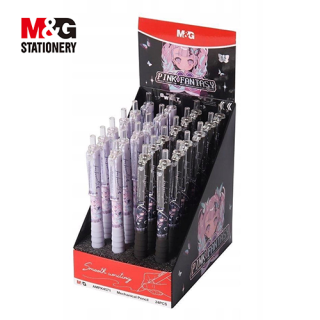 Porte mine 0,7 PINK
Ar 2,960
-
 Peinture à la gouache 24s 12ml
Ar 42,190
-
 Gomme blanche en bocal
Ar 280
-
 Bloc note B5 64p planet
Ar 8,420
Secure Login for Amunra Vault Access
Getting into your account should feel straightforward, not like solving a puzzle. For anyone managing digital assets or tracking their collection progress on platforms like amunra.uno, the login process is the very first handshake between you and your personal vault. It is where convenience meets caution, and understanding this balance makes all the difference between a smooth session and a stressful lockout.
The typical entry point for any user revolves around the official Amunra login portal. This is not merely a form with two empty boxes. It represents a controlled gateway designed to verify your identity without unnecessary friction. Whether you are returning after a long break or logging in for the first time after registration, the mechanics behind that single click determine how safely your data travels across the web.
Why Authentication Matters More Than You Think
Every day, countless attempts are made to access accounts that do not belong to the people trying to enter them. The login system for Amunra employs layered verification to ensure that the person typing the password is indeed the authorized owner. This goes beyond simple credential checks. Encryption protocols work silently in the background, scrambling your details as they travel from your device to the server. Without this, anyone intercepting the data could read it like an open letter.
Many users underestimate how often their login credentials are targeted through phishing pages or keyloggers. By using the official gateway consistently, you avoid the trap of fake mirrors that mimic the real interface. Always double-check the URL before typing anything. If the address does not match exactly what you expect, close the tab immediately.
Step-by-Step Walkthrough of the Sign-In Flow
When you arrive at the authentication page, the layout usually presents two clear fields: one for your username or registered email, and another for your password. Below these, a prominent button initiates the log-in sequence. Before pressing it, take a moment to confirm that your caps lock is off and that no extra spaces have crept into your entries. A single stray character can block your access and force a password reset.
Once submitted, the system checks your credentials against its secure database. If everything matches, you are redirected to your dashboard within seconds. For accounts with two-factor authentication enabled, a secondary code will be required after the password step. This code is typically sent via an authenticator app or SMS. Keep your phone nearby during login sessions if you use this feature.
If you encounter an error message after entering correct data, it might be due to a temporary server hiccup or a browser cache issue. Clearing your cookies often resolves these problems faster than contacting support. Also, ensure you are using an updated browser, as older versions sometimes struggle with modern security certificates.
Common Mistakes That Lead to Frustration
- Typing your username instead of your registered email when the field specifically asks for email.
- Copying and pasting passwords from a notes app, which may include hidden spaces.
- Using public Wi-Fi networks that are unsecured, exposing your traffic to potential snoopers.
- Forgetting to update your password manager after a recent credential change.
- Clicking on a link from an unknown source that directs you to a lookalike page.
Avoiding these pitfalls reduces the likelihood of being locked out or compromised. The login screen is your frontline defense, and treating it with respect pays off in the long run.
Comparing Login Methods: Web vs. Mobile
| Feature | Web Browser Login | Mobile App Login |
|---|---|---|
| Authentication options | Password + 2FA | Password, biometrics, or PIN |
| Session persistence | Manual logout recommended | Auto-logout after inactivity |
| Security updates | Handled by browser patches | Pushed via app store |
| Ease of use | Requires typing credentials each time | Fingerprint or face unlock available |
As the table shows, mobile access offers some convenience through biometric shortcuts, but web login provides greater control over your session expiration. Choose the method that aligns with your current environment. If you are using a shared computer, always prefer the web version and remember to log out completely.
Troubleshooting Access Problems Without Panic
Getting stuck outside your own account is never fun, but most problems have simple fixes. If the password you remember suddenly does not work, check whether your keyboard language layout has changed accidentally. Some users enable a different input method without realizing it, turning their usual password into gibberish.
Another common scenario involves the « Account Locked » message after multiple failed attempts. This is an automatic safety measure. Waiting anywhere from fifteen minutes to an hour usually resets the lock. During that time, do not attempt further entries, as each try extends the lock duration. After the cooldown, use the « Forgot Password » option to create a new, strong password that you have not used elsewhere.
For persistent issues that do not resolve through self-service, reaching out to official support through the channels listed on amunra.uno is the next logical step. Have your account details ready but never share your full password with any representative.
Frequently Asked Questions
Q: Can I stay logged in on my personal device forever?
A: It is not recommended. Even on private devices, session cookies can be stolen by malware. Log out when not actively using the account.
Q: What do I do if I lose my phone with the 2FA app?
A: Recovery codes provided during 2FA setup are your backup. Without them, account recovery becomes more complex and may require identity verification.
Q: Is it safe to use a password manager with this login?
A: Yes, as long as the password manager itself is protected by a strong master password and encryption. It actually reduces the risk of typing errors.
Q: Why does the login page time out so quickly?
A: Short timeouts are intentional security measures to prevent automated brute-force attacks. Simply refresh the page to start again.
Q: Can I access the vault from any country?
A: Availability depends on regional regulations. If you receive a location-based block, do not attempt to bypass it through unauthorized proxies.
Q: How often should I change my password?
A: Only change it if you suspect exposure or after a security notification. Frequent changes without reason can actually weaken your practices.