Categories
 Accessoires & Beaux Arts
 Beaux Arts
 Bureautique
 Outils d'écritures
 Papeterie
MEILLEURES VENTES
-
 Compas à vis porte mine/mine 2.0
Ar 3,850
-
 Stylo gel 1.0mm Pqt 8clrs
Ar 14,910
-
 Stylo gel R5 0.7mm 8 couleurs blister
Ar 17,070
-
 Crayon de dessin 12pcs
Ar 9,340
-
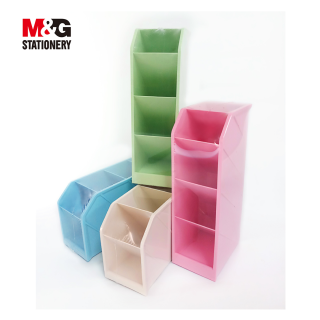 Porte-stylo incline
Ar 9,210
In today’s fast-paced world, efficiency in everyday services is crucial for interstatelogisticshubs.com enhancing productivity and customer satisfaction. From retail to healthcare, optimizing processes can lead to significant improvements. This report outlines practical ways to make everyday services more efficient.
- Embrace Technology: The integration of technology into everyday services can streamline operations. For instance, using point-of-sale systems in retail can reduce transaction times and improve inventory management. In healthcare, electronic health records (EHR) allow for quick access to patient information, reducing wait times and improving care quality. Businesses should invest in technology that automates repetitive tasks, such as scheduling and billing, freeing up staff to focus on customer service.
- Implement Lean Principles: Lean management principles focus on minimizing waste while maximizing value. Businesses can analyze their processes to identify non-value-adding activities. For example, in a restaurant, simplifying the menu can reduce preparation time and minimize food waste. Regularly reviewing workflows and eliminating unnecessary steps can lead to more efficient service delivery.
- Enhance Communication: Effective communication is vital for efficient service. Implementing clear communication channels among staff can reduce misunderstandings and errors. In customer service, using chatbots for initial inquiries can provide quick responses, allowing human agents to handle more complex issues. Regular training sessions can also ensure that all employees are on the same page regarding procedures and customer service expectations.
- Utilize Data Analytics: Collecting and analyzing data can provide insights into customer behavior and service performance. Businesses can use this information to optimize inventory levels, forecast demand, and personalize customer experiences. For instance, a retail store can analyze purchase patterns to adjust stock levels, ensuring that popular items are always available, thus enhancing customer satisfaction.
- Focus on Employee Training and Engagement: Well-trained employees are more efficient and provide better service. Investing in ongoing training programs ensures that staff are equipped with the latest skills and knowledge. Moreover, engaging employees in decision-making processes can lead to innovative solutions for improving service efficiency. When employees feel valued and empowered, they are more likely to take initiative in streamlining operations.
- Streamline Customer Interactions: Simplifying the customer interaction process can significantly enhance service efficiency. Businesses should aim to reduce the number of steps a customer must take to complete a transaction. For example, offering multiple payment options, such as mobile payments or contactless transactions, can speed up the checkout process in retail settings.
- Gather Customer Feedback: Regularly soliciting feedback from customers can identify areas for improvement. Surveys, suggestion boxes, and follow-up calls can provide valuable insights into customer experiences. By acting on this feedback, businesses can make targeted improvements that enhance service efficiency and overall customer satisfaction.
In conclusion, enhancing efficiency in everyday services requires a multifaceted approach that includes technology adoption, lean principles, effective communication, data analytics, employee training, streamlined interactions, and customer feedback. By implementing these strategies, businesses can improve their operational efficiency, leading to increased productivity and a better customer experience.