Categories
 Accessoires & Beaux Arts
 Beaux Arts
 Bureautique
 Outils d'écritures
 Papeterie
MEILLEURES VENTES
-
 Kit de nettoyage pour tab blanc
Ar 12,320
-
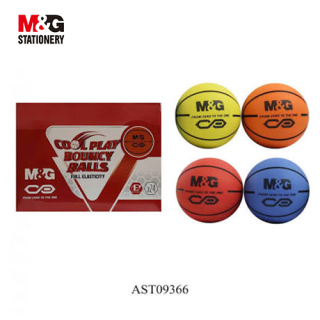 Bouncy Balle CoolPlay 6cm
Ar 7,710
-
 Stylo Gel effaçable C-Bleu bears
Ar 2,780
-
 Imprimante Laser
Ar 1,663,200
-
 Stylo à bille Bleu 0.7mm Cold brau
Ar 1,670

Responsible gambling tools are most useful when they are chosen before play becomes difficult to manage. The available information for crownz online describes controls for deposits, losses and wagers, alongside cooling-off and self-exclusion options. These tools are not a guarantee against harm, and they do not turn gambling into a source of income. They are practical boundaries that can help adults decide how much time and money to risk, then make it harder to exceed those decisions.
Begin with a limit you can explain
A useful limit should be based on money that remains affordable after essential costs, regular commitments and ordinary leisure spending have been covered. It should not rely on a hoped-for win, a future payday or the idea that losses will soon be recovered. A gambling budget is best treated as spent entertainment money from the moment it is set aside.
The stated account controls include daily, weekly and monthly deposit, loss and wager limits. These measure different things. A deposit limit restricts the money added to the account, a loss limit focuses on the amount lost, and a wager limit concerns the total amount staked. Choosing only one may leave an important gap, particularly if a high volume of small bets quickly creates a larger overall exposure.
Before selecting figures, consider how often you expect to play and whether the same budget needs to cover several activities. A monthly ceiling can provide a broad boundary, while lower weekly or daily limits can prevent a large portion being used too quickly. Write down the amount and the period it covers. If the figure would cause stress when lost, it is not an affordable limit and should be reduced or gambling avoided altogether.
Use cooling-off when a pause is enough
Cooling-off is designed for a temporary break rather than a permanent decision. The published information says it blocks deposits and promotions during the selected period while allowing withdrawal of remaining funds. That combination can be helpful for someone who notices escalating play, spends longer than intended or wants distance from promotional prompts without immediately closing the account permanently.
A pause works best when it is requested at the first sign of difficulty, not after a budget has already been exhausted. During the break, remove saved payment details where possible, avoid gambling adverts and keep a note of the reason for taking time away. Do not treat the end date as a target for returning. Reassess whether gambling still fits your finances and routine before making any further decision.
Cooling-off is not the same as self-exclusion. It may suit a planned short rest, whereas repeated attempts to pause, resume and pause again can indicate that stronger action is needed. It also does not remove financial losses already incurred or settle wider concerns about gambling. If urges continue during the break, speak to someone you trust and seek independent support rather than waiting for access to return.
Choose self-exclusion when access itself is the problem
Self-exclusion is the more substantial account-control option described in the available material. It disables the account and blocks deposits and withdrawals for the selected period. This matters because it removes the opportunity to continue playing, rather than merely asking the user to stay within a chosen spending boundary.
Self-exclusion can be requested through support. Before making the request, withdraw any balance that is available and resolve essential account questions if possible, while recognising that the stated control blocks withdrawals once active. Keep confirmation of the request and record the start and end dates. Do not create another account or use another person’s account to bypass the exclusion; the terms prohibit multiple accounts and account sharing.

Anyone considering self-exclusion should also reduce access outside the account. Banking-app gambling blocks, device restrictions, blocking software and support from family or friends can add practical protection. The UK Gambling Commission’s safer gambling guidance provides wider information about setting boundaries and getting help, but it does not confirm the controls or authorisation status of any particular operator.
Understand what limit changes actually do
The stated rules distinguish between reducing and increasing a limit. Decreases apply immediately, while increases require email confirmation and may be delayed until the current limit expires. This delay is an important safeguard: it prevents a quick decision made during a strong urge from instantly expanding the available budget.
Set limits conservatively at the outset rather than relying on the ability to raise them later. If an increase seems necessary because the original figure was too restrictive, wait and review the reason. A genuine change in circumstances is different from wanting to continue after reaching the boundary. Never increase a limit to chase a loss, qualify for an offer or keep playing after planned funds have gone.
Limits also have limitations. A deposit cap may not reflect money already held in the account, and a wager cap may allow substantial turnover even when individual bets appear small. Promotions can encourage additional activity, so consider whether blocking promotional communications would make your plan easier to follow. Keep personal records of deposits, withdrawals and gambling time, because an account control is more useful when checked against actual behaviour.
Make a personal response plan before playing
Tools work better when paired with clear warning signs. These can include hiding gambling from others, borrowing money, neglecting bills, chasing losses, playing while distressed or repeatedly breaking limits. Spending more time than intended is also significant, even if the monetary amount appears manageable. Treat these signs as reasons to stop and review, not as evidence that a bigger budget is needed.
Create a short response plan while calm. It might say: stop gambling, activate cooling-off or self-exclusion, tell a trusted person, block gambling payments, and contact a support service. Keeping the steps in a phone note can help when decision-making is affected by frustration or excitement. If gambling has caused debt, prioritise rent, food, utilities and other essentials rather than trying to win money back.
Account controls cannot diagnose harm, guarantee compliance or prevent every route to gambling. They are one part of a wider plan that may include professional advice, financial guidance and support from people close to you. If a limit has been broken repeatedly, move beyond adjustment and choose a stronger barrier. The safest decision may be not to gamble at all, particularly where losses are affecting mental health, relationships or essential spending.
Safer gambling questions answered
What is the difference between a loss limit and a deposit limit?
A deposit limit restricts money added to an account, while a loss limit concerns the amount lost over a stated period. They are not interchangeable: money already held may still be used under a deposit limit, while a loss limit may not control total activity. Using both can create a more complete boundary.
Can a limit be increased immediately?
The available terms state that limit increases require email confirmation and may be delayed until the existing limit expires. Reductions apply immediately. The delay is intended to create time for reconsideration, so an increase should not be treated as a quick solution after reaching a planned boundary or chasing losses.
When should someone choose self-exclusion?
Self-exclusion is appropriate when taking a break is not enough, access is difficult to control, or gambling is causing financial or emotional harm. The described option disables the account and blocks deposits and withdrawals for the selected period. Additional banking, device and personal support can strengthen the decision.