Categories
 Accessoires & Beaux Arts
 Beaux Arts
 Bureautique
 Outils d'écritures
 Papeterie
MEILLEURES VENTES
-
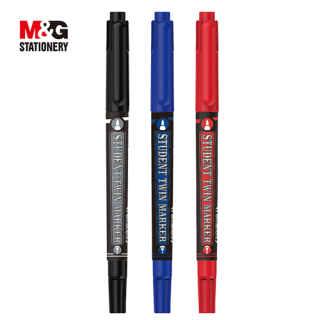 Marqueur perm. double pointe
Plage de prix : Ar 490 à Ar 740
-
 Set regle Flex 4pcs 20cm
Ar 6,830
-
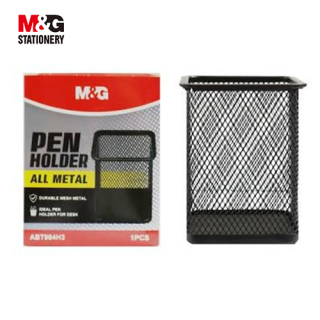 Pot a stylo carre metal 70 x 110 mm
Ar 5,910
-
 Crayon de couleur Seau vert
Plage de prix : Ar 7,140 à Ar 35,150
-
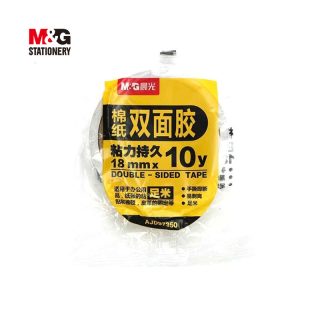 Scotch double face
Plage de prix : Ar 2,840 à Ar 4,810
Expanding wilds are the easiest feature to sell in a screenshot and one of the hardest to judge from a paytable. A wild that stretches across a reel looks like it should print money, but on plenty of Play’n GO releases it is a cosmetic flourish that fires rarely and caps out well below the game’s headline number. Between May and October 2026 Play’n GO released fifteen new slots with an average default RTP of 96.20%, and a good number of them lean on expanding wild mechanics. The ones worth your time are the titles where the expanding wild is wired into the payout ceiling rather than bolted on beside it.
How to tell whether an expanding wild is load-bearing or decorative
Start with the payout ceiling and work backwards. If a game advertises a maximum win of 50,000x and the expanding wild only appears in the base game, the wild is almost certainly not the mechanism getting you there. The ceiling is usually built on a free spins multiplier, a progressive way-count, or a scatter-pays cascade. The expanding wild is there to keep the base game from feeling dead, which is a legitimate design job but not the same as driving the top end.
The second test is where the wild can land and how it is triggered. A wild that expands only on a natural spin, with no guaranteed placement in the bonus, is a lottery ticket inside a lottery ticket. A wild that is guaranteed during free spins, or that expands as part of a scripted bonus sequence, is doing real work. Read the rules screen and look for the words « guaranteed », « on every spin », or a named mechanic. If the expanding wild has no named mechanic, treat it as decoration until proven otherwise.
The third test is the interaction with ways to win and paylines. On a 20-payline game, an expanding wild covering a full reel can block as many combinations as it creates, because it only pays on lines that pass through it. On a ways-to-win or cluster-pays game, a full-reel wild multiplies every combination it touches, which is a genuinely different maths problem. That is why the strongest expanding wild designs in the Play’n GO catalogue tend to sit on ways-to-win or pay-anywhere frameworks rather than fixed-line grids.
The titles where expanding wilds genuinely lift the maximum win
Moon Princess Extreme is the clearest case. It offers a maximum win of 50,000x, and the expanding wild is part of the sequence that gets you near that number rather than a side attraction. The wild expansion is tied to the princess mechanic and to cleared-grid progression, so it appears with intent. When the board clears and the wild stretches, you are inside the payout structure, not watching it from outside. That is the difference between a feature and a headline.
Stompin’ Gold has a 50,000x payout cap across 20 paylines, and this is the exception that proves the fixed-line rule. The expanding wild is central to the bonus rather than incidental, and the game is designed so that the wild expansion is the moment the ceiling becomes reachable. Twenty paylines is tight, which means every expanded wild has to count, and the design reflects that. If you want a fixed-line Play’n GO slot where the expanding wild is not a decoration, this is the one to check first.
Reactoonz Blitzways provides up to 16,807 ways to win, and the expanding wild sits inside a ways-to-win framework where a full-reel wild compounds rather than blocks. The mechanic rewards board state, and the wild expansion is one of the levers that pushes the way-count and the win size upward together. It is not the only lever, but it is a load-bearing one. Compare that with a fixed-line title where the same visual flourish does a fraction of the mathematical work.
Cursed Moon Power Collection expands from 1,024 ways to 3,125 ways, and the expanding wild is tied to that progression. The wild is not just covering symbols, it is part of the mechanism that opens the board up. When a game’s way-count grows during play, an expanding wild has somewhere to go, and the payout ceiling reflects it. This is the pattern to look for across the catalogue: expanding wild plus growing ways equals a wild that matters.
Triple Beasts of Fortune supports a 30,000x prize cap, and the expanding wild is integrated into the bonus rather than left in the base game. Thirty thousand times is not a number you reach on cosmetic features, so the wild has to be doing structural work. Treat any Play’n GO release with a ceiling above 20,000x and an expanding wild as a candidate, then verify on the rules screen that the wild appears in the bonus. If it does, the ceiling is probably honest.
The titles where the expanding wild is closer to set dressing
Shark Feast introduced pay-anywhere scatter pays, and that mechanic is the real engine of the game. Scatter pays do not need expanding wilds in the way line games do, because the payout logic is about symbol counts anywhere on the grid. Any expanding wild here is a bonus feature layered on top of a scatter-pays core, and the ceiling is driven by the scatter mechanic. It is a good game, but if you are choosing it for the expanding wild, you are choosing it for the wrong reason.
Granny’s Wild, Lawn N’ Complete Disorder, and Chunky Carlo’s Money Mania are the kind of titles where the expanding wild reads as character work. These are games built around theme and base-game entertainment, and the wild expansion is part of the personality rather than the payout architecture. That is not a criticism of the design, it is a warning about expectations. If you load one of these expecting the expanding wild to be the road to the max win, you will spend a lot of spins waiting for a feature that was never meant to carry that weight.
Temple of Three, Holy Moo Extreme Power, Three Pots of The Genie, Tower Run Treasure Steps, Triple Launch Fortune Wild, and Unigoat round out the 2026 slate, and the split is roughly even. Some of these use expanding wilds as a genuine bonus driver, others use them as visual punctuation. The only reliable way to sort them is to open the rules screen and check whether the wild expansion is named, whether it is guaranteed in the bonus, and whether the stated maximum win is reachable without it. If the answer to the last question is yes, the wild is decoration.
Reading the numbers before you commit real money
Play’n GO slots offer free demo access on the site’s pages, and this is the single most useful tool for sorting the load-bearing wilds from the cosmetic ones. Demo play strips out the financial pressure and lets you watch how often the expanding wild actually fires. Twenty minutes of demo spins on a title will tell you more about the wild’s real frequency than any promotional copy. The site also provides real screenshots and an app for every slot, so you can check the grid layout and the wild behaviour before you load a single spin.
Pay attention to slot volatility alongside the return to player. A high-volatility title with a 50,000x ceiling and an expanding wild in the bonus is a different proposition from a medium-volatility title with the same wild and a 5,000x cap. The Play’n GO RTP figure of 96.20% average across the 2026 releases tells you the long-run return, but it says nothing about how the wild behaves. Volatility and the payout ceiling together tell you whether the wild is worth chasing.
Check the licensed casino you are playing at and confirm the game version matches the demo. Some operators run adjusted RTP configurations, and a slot that reads 96.20% in demo can be lower on a specific site. That matters less for the wild mechanic than for your overall expectation, but it matters. Play’n GO slot reviews that skip the RTP configuration check are only telling you half the story.
A practical order of play for expanding wild hunters
Start with the ways-to-win and growing-grid titles
Open Reactoonz Blitzways and Cursed Moon Power Collection first. Both use ways-to-win or growing ways, both have expanding wilds tied to board progression, and both have ceilings that the wild can actually help you reach. Demo each for a session, watch the wild frequency, then decide whether the volatility suits your bankroll. If you want a fixed-line alternative, move to Stompin’ Gold and check whether the bonus wild expansion shows up often enough to justify the 20-payline constraint.
Then test the high-ceiling bonus titles
Moon Princess Extreme and Triple Beasts of Fortune are the next tier. Both have expanding wilds integrated into the bonus, both have ceilings above 30,000x, and both reward patience over volume. These are not games to grind on a small balance. They are games to demo until you understand the bonus trigger rate, then play with a bankroll sized for the volatility. Leave the scatter-pays and theme-led titles for entertainment sessions, not for ceiling-chasing.
The short version: expanding wilds are worth prioritising only where the wild is named, guaranteed in the bonus, and sits on a framework that compounds rather than blocks. Moon Princess Extreme, Stompin’ Gold, Reactoonz Blitzways, Cursed Moon Power Collection, and Triple Beasts of Fortune clear that bar. The rest of the 2026 slate is worth playing, but play it for the theme, the scatter pays, or the base-game fun, not for a wild that was never designed to carry the ceiling. Use the demos, check the rules screen, and let the payout cap tell you which wilds are real.