Categories
 Accessoires & Beaux Arts
 Beaux Arts
 Bureautique
 Outils d'écritures
 Papeterie
MEILLEURES VENTES
-
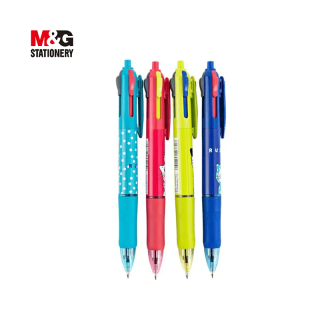 Stylo à bille 0.7mm Noir
Ar 2,090
-
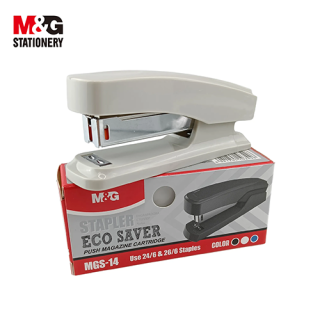 Agrafeuse eco saver
Ar 6,120
-
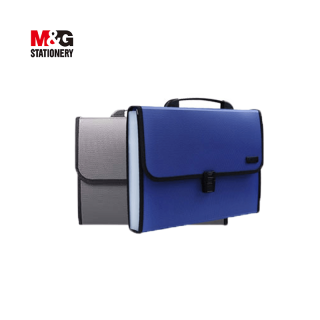 Classeur a pochette expansible bleu/gris
Ar 27,550
-
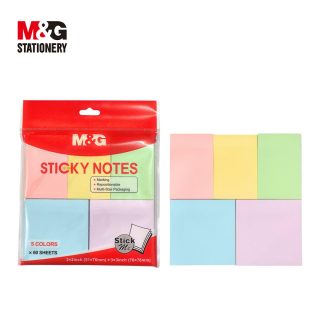 Post it 5colors×60sheets
Ar 10,660
-
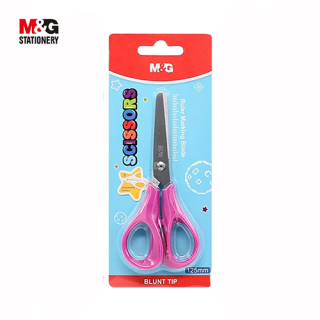 Ciseaux etudiant 125 mm
Ar 3,150
Slot demos are the cheapest design lab a student will ever get. You can load a game, watch its maths play out over thousands of spins, and never risk a cent of play money or real cash. The catch is that most beginners treat demos as entertainment and never look under the hood. This primer is about using them the way a designer would: as a sandbox for testing how volatility and RTP interact before you commit a single line of code to your own project.
Start with demos that expose their maths
The single most useful habit for a beginner is to pick demos that show their working. Most free demo slots hide the payout logic behind polished art, which is fine for players but useless for study. A handful of providers publish symbol frequency charts alongside the demo, and those charts give you immediate feedback on design choices: how often each symbol lands, how the paytable maps to those frequencies, and where the variance actually comes from. Endorphina is a reliable example here, and Demoslotsguide sorts games by provider and theme so you can find charted demos without wading through marketing pages.
When you open a demo, run a structured first pass before you spin at all. Note the stated RTP percentage and volatility rating, then check whether the paytable frequencies match the advertised return. A 96% RTP slot with a 5x max win and a 96% RTP slot with a 50,000x max win are doing completely different things with the same headline number, and the frequency chart is where that difference becomes visible. Log your observations in a spreadsheet: symbol, hit frequency, average payout, and contribution to total RTP. That single exercise teaches more about slot maths than a semester of theory.
Demoslotsguide lists the highest RTP slots alongside their volatility bands, which makes it a practical starting shelf. Work through a low-volatility title first so you can feel how often small wins land, then jump to a high-volatility game and watch the dry spells stretch out. Popok Gaming’s 20 Royal Hot Lucky Coin and Hacksaw Gaming’s 2 Wild 2 Die sit at very different points on that spectrum and give you a clean contrast. NetEnt’s 101 Candies is a useful third reference for feature-heavy design.
Test volatility and RTP as a pair, not in isolation
The information gain most beginners miss is that RTP and volatility only make sense together. RTP tells you the long-run return; volatility tells you the shape of the road getting there. A demo is the only place you can watch that shape unfold in real time without a bankroll getting in the way. Set a fixed number of spins, say 1,000, and record your balance at intervals. The curve you draw is the volatility profile, and it will look radically different between a 10-line classic slot and a cluster-pays Megaways-style game.
Free demo slots let you replay the same game as many times as you like, which is the whole point. Run a high-volatility demo three times at 1,000 spins each and compare the balance curves. If one run never recovers and another spikes early, you have just seen variance in action and you have a concrete example to cite when you pitch a design to a tutor or a studio. Slot demo games with a visible symbol frequency chart speed this up because you can cross-reference what you saw against what the maths says should happen.
Watch for the trap of small sample sizes. A few hundred spins tells you almost nothing about a 96% RTP game; you need tens of thousands to approach the stated return, and demos are free so there is no excuse not to run them. Treat each demo session as a data collection run with a hypothesis: this game’s volatility will produce long dry spells, or this feature will fire roughly every 150 spins. Then check. For a baseline of what normal looks like across providers, demoslotsguide.com/ publishes head-to-head slot comparisons, which is handy when you are calibrating your own expectations.
Game features deserve the same treatment. Free spins rounds, expanding wilds, and bonus buy mechanics all change the volatility profile, and demos let you trigger them repeatedly without paying for the privilege. Note how often each feature fires, what it pays on average, and how it affects the balance curve. That is the kind of evidence a design portfolio actually needs.
Build a comparison habit and a responsible routine
Once you can read a single demo, start comparing across the shelf. Demoslotsguide compares licensed casinos for Canadian players, and the same comparison mindset applies to the games themselves. Line up three demos from different studios, such as Gamebeat, Zillion Games, and Evoplay, and score them on the same criteria: RTP, volatility, hit frequency, feature frequency, and max win. Onlyplay and Endorphina demos are worth adding to the rotation because their maths models differ enough to keep you honest.
Keep one eye on the commercial side too, because design decisions are shaped by it. A welcome bonus at a casino like VegasNova (150% up to $2,500) or Cosmobet or Rolletto comes with wagering requirements and a minimum deposit, and those terms influence which games players actually choose. Check Trustpilot reviews before trusting any operator’s marketing, and remember that a demo never involves a real-money wager. Understanding why players gravitate to certain games under bonus conditions is part of designing for them. Demoslotsguide promotes responsible gambling, and the habit starts early: cap your study sessions, take breaks, and keep play money strictly separate from real money.
For Canadian students, licensed casinos are the only operators worth studying in a commercial context, and slot demos are the safe way to learn what those casinos are actually selling. Use no sign-up slots to remove friction from your study routine, but treat every session as research rather than recreation. The moment a demo stops teaching you something, close the tab and write up what you learned.
Build your own demo log this week. Pick five free demo slots from the Demoslotsguide library, prioritising any that display symbol frequency charts, and record RTP, volatility, hit frequency, feature frequency, and a 1,000-spin balance curve for each. Run a second 1,000-spin pass on the two most volatile games and compare the curves. That log becomes a portfolio piece, a revision aid, and a genuine design tool. Slot demos are free, repeatable, and honest about their maths if you know where to look, so the only real cost is the discipline to keep notes.