Categories
 Accessoires & Beaux Arts
 Beaux Arts
 Bureautique
 Outils d'écritures
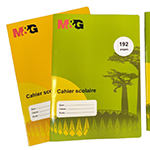 Papeterie
MEILLEURES VENTES
-
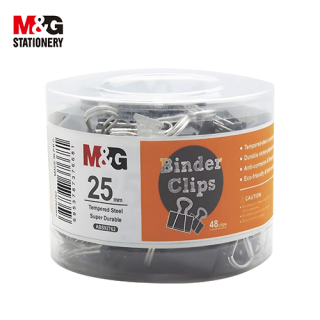 Pince Binder clips 25 mm
Ar 14,410
-
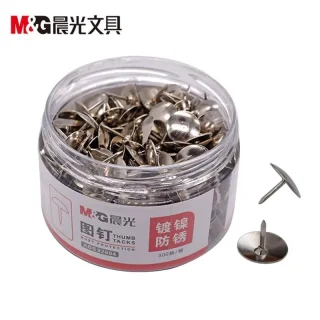 Punaises 300pcs
Ar 7,390
-
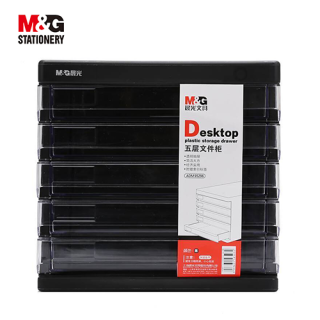 Tiroir de dossier 5 niveau Noir
Ar 128,500
-
 Ciseaux Enfent Droite 135 mm
Ar 6,760
-
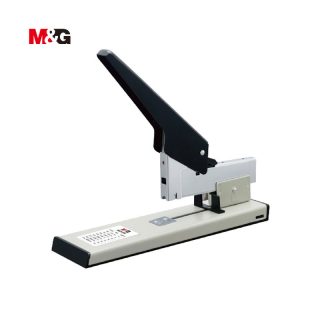 Agrafeuse gros travaux 100/200flles
Plage de prix : Ar 68,380 à Ar 82,090
Patterns are the whole game in 75-ball bingo. Unlike the 90-ball rooms where you chase one line, two lines then the full house in sequence, 75-ball asks you to complete a specific shape on the card before anyone else. Pick the wrong room and you will be marking cards for the best part of half an hour for a modest prize. Pick the right one and a five-minute session can pay better than a slot spin. Here are the five pattern families you will meet most often, what they cost you in time and ticket price, and why the harder shapes tend to come with bigger prizes.
Single line patterns work as the quick entry point
A single line is exactly what it sounds like: one complete row, column or diagonal marked off on the card. It is the fastest pattern to complete and the one most 75-ball rooms use as their opening round. Because the target is small, the session is short. You will typically see a single line called within five to ten minutes of a room opening, sometimes sooner if the caller is moving at pace.
Cost-wise, single line rounds are the cheapest tickets in the lobby. That is not generosity on the operator’s part, it is arithmetic. More players complete the pattern in the same number of calls, so the prize pool is split wider and the individual payout is smaller. If you are learning how to play bingo online and want to understand the rhythm of a room without burning through your balance, a single line round is the sensible place to start. The trade-off is obvious: low risk, low return, and a prize that rarely changes your evening.
One practical tip. In rooms like Studio 75-ball Bingo and Superlinks 75, the single line is often the first of several patterns in a session, with the prize escalating as the patterns get harder. Treat the opening round as a warm-up rather than the main event, and budget your ticket spend across the whole session rather than going heavy on the first call.
Two lines and corners add time and prize weight
Two lines means any two complete rows, columns or diagonals on the same card. Corners means the four corner squares of the card, nothing more. Both sit in the middle tier of difficulty, and both cost more per ticket than a single line because they take longer to complete. A two-line game typically runs fifteen to twenty minutes; a corners game can be deceptively slow because the corner squares are the least likely to be called early in a session.
Here is where the pricing logic starts to matter. Harder patterns take longer sessions, and longer sessions mean more calls, more tickets sold and a larger prize pool. Operators price accordingly. A two-line ticket in a busy room might cost two or three times a single line ticket, but the prize is often five to ten times larger. Corners is the odd one out: the ticket price is modest but the win frequency is low, so it suits players who prefer a bigger payout over regular small wins.
If you are playing Virgin Games bingo rooms regularly, watch how the prize structure changes between patterns within a single session. The jump from single line to two lines is usually the steepest in percentage terms, and it is where casual players either commit or step back. There is no wrong answer, but knowing the pattern before you buy the ticket stops you from paying two-line prices for a single-line mindset.
Letter shapes reward patience and a full card
Letter shapes are the pattern family that separates the casual player from the regular. The card must form a letter, most commonly an X, an H, a T or an L, by marking the squares that make up that shape. An X uses both diagonals; an H uses two vertical columns plus the middle row; a T uses the top row plus the centre column. Each one takes significantly longer than two lines because you need specific squares across the whole card, not just a concentrated run.
Ticket prices for letter patterns sit at the higher end of the 75-ball scale, and the prizes reflect that. A well-populated X game in a jackpot room can pay out a sum that dwarfs anything available in a single line round. The catch is the session length. Letter games regularly run twenty-five to thirty-five minutes, and if the caller is slow or the room is quiet, you may be marking a card for longer than you planned. Budget your time as carefully as your money.
Letter shapes also suit the Slingo-style hybrid rooms, where pattern play is blended with slots mechanics. Slingo Starburst is the clearest example in the Virgin Games lobby: you are matching numbers to complete lines on a grid, but the numbers come from a slot reel rather than a bingo caller. The pattern logic is familiar to anyone who has played a letter game, but the pace is faster and the session is shorter. It is a useful bridge if you enjoy pattern completion but find traditional 75-ball rooms too slow.
Blackout is the hardest pattern and the biggest prize
Blackout, sometimes called coverall, requires every square on the card to be marked. It is the longest session in 75-ball bingo by a wide margin, often running forty minutes or more, and it commands the highest ticket price in the room. The prize is correspondingly large, sometimes life-changing in a jackpot room like Play Off Palace where blackout games are linked to progressive pools.
The maths behind blackout is straightforward. You need every number on your card to be called, which means the session cannot end until the caller has worked through most of the available balls. That extended runtime is why operators can afford to offer bigger prizes: more tickets are sold over a longer period, and the pool grows accordingly. It is also why blackout games attract the most serious players, the ones who treat bingo as a session rather than a quick flutter.
My advice on blackout is to treat it as an event, not a habit. Buy one or two tickets, settle in, and accept that you are committing the best part of an hour. If you want a faster pace, the 90-ball rooms like Bingo Times run a tighter session with one line, two lines and full house called in sequence, and the numbers are marked automatically so you can watch rather than scribble. Different rhythm, different risk, same principle: match the pattern to the time and money you actually want to spend.
Why pattern difficulty drives ticket price and prize size
The relationship between pattern difficulty, ticket price and prize size is not arbitrary. It is a direct consequence of session length. A single line game might complete in six minutes; a blackout might take forty. Over that longer window, the room sells more tickets, the prize pool accumulates more contributions, and the eventual winner takes a larger share. Operators price the ticket higher because the expected session is longer and the prize is bigger, and players accept the higher price because the potential return justifies it.
There is a second factor at play: win frequency. Easier patterns are completed more often, so the prize is shared among more winners across a session. Harder patterns are completed less often, so the prize concentrates. A corners game might see three or four winners in an evening; a blackout might see one winner every few sessions. If you prefer regular small wins, stay with the easier patterns. If you prefer the occasional larger payout, the harder shapes are where the money sits.
Virgin Games adds no fees on withdrawals, which matters more than it sounds when you are playing higher-ticket pattern games. A blackout ticket costs more, but the prize you win arrives intact. Compare that with sites that skim a percentage off the top and the effective value of a hard-pattern win drops noticeably. Check the withdrawal terms before you commit to a high-ticket room, and set a session budget that accounts for the longer runtime. GamCare, GamStop and BeGambleAware all offer tools if you want to cap your spend, and the responsible play settings inside the Virgin Games account area let you set deposit limits before you buy a single ticket.
One final note on the Slingo hybrid. Rooms that blend pattern play with slots mechanics, like Slingo Starburst, sit outside the traditional 75-ball pricing model. The ticket price is fixed, the session is short, and the pattern completion is driven by reel outcomes rather than a caller. It is worth trying if you enjoy the pattern logic of letter games but want the pace of a slot. Just do not assume the prizes scale the same way they do in a blackout room, because they do not.
Start with a single line round to learn the room, move to two lines and corners once you are comfortable with the pace, and save the letter shapes and blackout games for sessions where you have both the time and the budget to enjoy them properly. Sign in through the normal Virgin Bingo login, check the pattern before you buy, and let the shape of the card tell you whether the ticket is worth the price.