Categories
 Accessoires & Beaux Arts
 Beaux Arts
 Bureautique
 Outils d'écritures
 Papeterie
MEILLEURES VENTES
-
 Stylo Gel X Pro 0.7mm Noir et Bleu
Ar 2,650
-
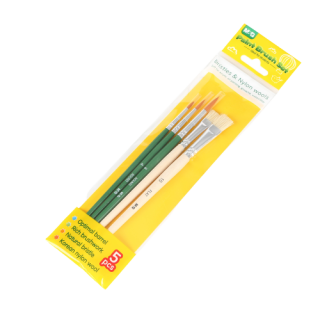 Paquet de pinceau 2en1 5 pièces
Ar 11,110
-
 Surligneur PASTEL 4clrs
Ar 8,670
-
 Cahier Travaux pratique PF
Plage de prix : Ar 3,600 à Ar 5,800
-
 Trousse en maille unique
Ar 9,770
Monopoly Deluxe Exposed Hidden Twists Worth Your Time
When you first land on the digital board of Monopoly Deluxe, it feels like slipping into a familiar pair of slippers—a comforting echo of Saturday afternoons spent arguing over who really owns Boardwalk. But scratch the surface, and you will find that this version offers far more than a nostalgic roll of the dice. The experience transforms classic property trading into something surprisingly layered, with mechanics that reward careful observation and a willingness to stray from the beaten path. For those curious about deeper gameplay, a visit to monopolydeluxe.yachts can offer additional context on how the community interprets these rules.
The most striking departure from the original lies in how properties evolve. Instead of simply buying houses and hotels in a straight line, Monopoly Deluxe introduces upgrade paths that branch based on your choices. You might invest in a luxury suite on Mediterranean Avenue or transform a run-down utility into a solar-powered enterprise. These decisions create real strategic depth, forcing players to weigh short-term cash flow against long-term dominance. The game does not hold your hand through these choices, which makes each victory feel distinctly earned.
Another hidden layer is the dynamic event system. Cards are no longer just « Chance » and « Community Chest »—they now reflect the context of the game. If you are trailing in net worth, you might draw a « Second Wind » card that offers a discount on undeveloped lots. If you are leading, the game might throw a « Luxury Tax Audit » your way, targeting exactly the kind of high-end properties you have carefully assembled. This creates a natural ebb and flow that keeps the tension alive, even when one player seems to be pulling ahead.
Unique Twists on Classic Rules
Beyond the event system, the game implements a negotiation phase that changes how players interact. After every third round, a brief window opens where you can trade not just properties, but also future rent exemptions and turn order swaps. This is where the true hidden twists reveal themselves—a player can offer to skip a turn in exchange for a prime location, then use a saved event card to nullify the drawback. It sounds chaotic, but it mirrors the real wheeling and dealing of high-stakes boardroom battles.
The game also tweaks the jail mechanic. Instead of simply waiting or paying a fee, you can now bribe the guard with a random property from your hand, or attempt a « clever escape » that depends on your total number of railroads. This small change makes being sent to jail feel less like a time-out and more like a tactical puzzle. Experienced players often use this to break a rival’s monopoly streak or to reposition themselves when the dice are not in their favor.
Key Features That Set It Apart
To help clarify what makes Monopoly Deluxe different from both the classic version and other digital adaptations, here are the standout elements:
- Branching property upgrades that let you specialize each lot instead of following a fixed path.
- Event cards that adapt to your current standing in the game, reducing runaway leaders’ luck.
- Negotiation phases that happen on a schedule, not just by player request, forcing strategic planning.
- Reimagined jail mechanics with multiple escape options based on your holdings.
- Hidden bonus tiles that appear randomly on the board, offering unique one-time advantages.
These features blend together to create an experience that rewards both careful planning and the ability to pivot when the board shifts. The learning curve is gentle at first, but mastering the deeper systems takes genuine effort.
Comparative Look at Game Versions
For players who are weighing whether Monopoly Deluxe is worth their time, it helps to see how it stacks up against other popular versions. The following table breaks down key differences in a straightforward way.
| Feature | Monopoly Deluxe | Classic Monopoly | Monopoly Plus |
|---|---|---|---|
| Property upgrades | Branching paths, specialized bonuses | Linear, houses then hotels | Linear with visual themes |
| Event cards | Context-aware, game-state dependent | Fixed deck, random draw | Fixed deck with some thematic art |
| Jail mechanics | Bribery, escape challenges, railroad-dependent | Roll doubles or pay fine | Same as classic |
| Negotiation tools | Automated phases, rent swaps, turn order trades | Player-driven only | Player-driven with chat |
| Board interaction | Hidden tiles, dynamic spaces | Static board | Animated but static layout |
This comparison shows that Monopoly Deluxe does not just layer on visual gimmicks—it fundamentally reworks several core engines of play. The result is a game that feels both familiar and fresh, like rediscovering a childhood haunt that has been renovated with secret rooms.
Thoughts on Long-Term Appeal
The question that often comes up in monopoly deluxe reviews is whether the hidden twists hold up after repeated plays. Early experiences suggest they do, mostly because the event system and negotiation phases create scenarios that rarely repeat exactly. A player who relies on a single strategy—like buying every railroad—will eventually face a situation where a hidden tile devalues their holdings or a negotiation phase leaves them isolated. This forces adaptation, which is the hallmark of any good strategy game.
There is also a subtle layer of risk management that emerges over time. Because property upgrades branch, you can find yourself investing heavily in a path that later becomes less valuable due to the event cards your opponents draw. Learning to hedge your bets—keeping cash reserves, diversifying upgrade types—becomes just as important as acquiring prime real estate. This depth adds considerable replay value for those who enjoy strategic optimization.
Frequently Asked Questions
Q: Is Monopoly Deluxe suitable for casual players who only know the classic rules?
A: Yes. The core mechanics of rolling dice, buying properties, and collecting rent remain intact. The new features are presented gradually, so newcomers can learn at their own pace.
Q: How long does a typical game last?
A: Playthrough times vary widely depending on player decisions and the event system. Most sessions fall between 45 minutes and 90 minutes for a four-player group.
Q: Can the hidden tiles be predicted or controlled?
A: No. Their appearance is random, but the game provides subtle hints on the board when one is about to activate, giving observant players a brief chance to adjust their plans.
Q: Does the negotiation phase force trades?
A: No. You can simply pass during your negotiation window. However, passing means you miss opportunities that your opponents can exploit against you later.
Q: Are there different board layouts or themes?
A: The base version includes a single dynamic board, but expansions and seasonal events occasionally introduce themed boards with unique event cards and property sets.
Q: How does the game handle player elimination?
A: Eliminated players can choose to spectate or leave the session. There is no option to re-enter mid-game, which keeps the financial tension high for remaining players.
Q: Is the game more luck-based or skill-based compared to classic Monopoly?
A: It leans slightly toward skill due to the branching upgrades and negotiation phases. Luck from dice rolls remains, but smart planning can mitigate bad rolls more effectively than in the classic version.