Categories
 Accessoires & Beaux Arts
 Beaux Arts
 Bureautique
 Outils d'écritures
 Papeterie
MEILLEURES VENTES
-
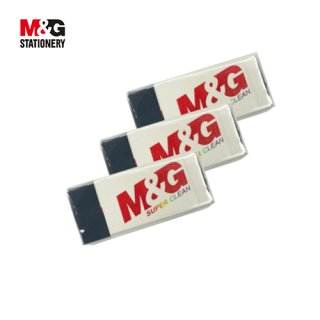 Gomme noire GM
Ar 1,580
-
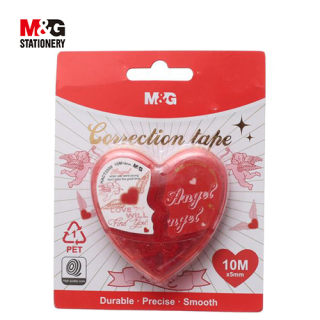 Ruban correcteur 10m Love
Ar 5,070
-
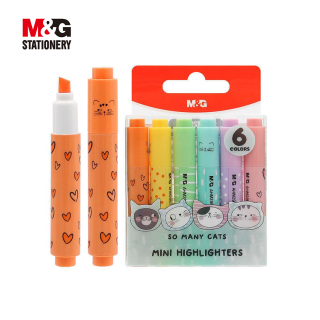 Mini Surligneur 6clrs
Ar 6,900
-
 Stylo Roller Si-pen S5 0.5mm
Ar 4,140
-
 Stylo à bille Love bleu 0,5
Ar 1,870
GGPoker UK Masterclass Raising Your Game Instantly
There is a distinct moment every poker player knows—the instant when the cards fall, the chips stack, and the mind must shift from casual play to serious strategy. In the United Kingdom, the digital felt has become a battlefield where amateurs and experts collide. While traditional cardrooms in London or Manchester hold their own charm, the modern player often finds the most fertile ground for growth inside the Gg poker app, where features like smart bet sizing and integrated hand histories turn every session into a living classroom. This masterclass is not about abstract theory; it is about the concrete adjustments that elevate your decision-making before your next blinds hit.
Stepping into the ring without a plan is the fastest way to hemorrhage chips. The first lesson is to recognize that every hand, every fold, and every raise holds data. Instead of treating each round as an isolated event, think of your session as a tapestry of patterns. The strongest UK players do not rely on luck—they rely on adaptive logic, constantly recalibrating based on opponent tendencies. If you see a player check-raising the flop with medium pairs, note it. If a regular folds too often to three-bets on the button, exploit it. The game becomes less about the cards and more about the person holding them.
Many grinders fail because they treat all stakes equally. There is a profound difference between a micro-stakes sit-and-go and a multi-table tournament with a significant buy-in. Your mindset must shift accordingly. In lower-stakes games, the errors are obvious—loose calls, hesitant check-backs, overvaluing top pair. In higher-stakes UK lobbies, the mistakes are subtler: missed value bets, incorrect range weighting, timing tells. To climb, you must first learn to walk in one arena before sprinting in another. This is not a suggestion for patience; it is a mandate for disciplined volume.
The most overlooked weapon in any player’s arsenal is the fold button. It sounds counterintuitive in a culture that glorifies bluffs and hero calls, but the truth is brutal: most pots are lost by chasing. When you sense that your pocket jacks are no good against a board of connected diamonds, or when a tight opponent suddenly re-raises on the river, the disciplined fold is not a retreat—it is a strategic preservation of ammunition. Every chip you save is a chip you can deploy later with greater leverage. That single adjustment can lift your win rate more than any fancy bet sizing.
Equally vital is the concept of positional awareness. In the UK cash games on this platform, playing from the button is like having a secret map while others wander blind. Your range should widen when you act last and narrow sharply when you are under the gun. Many intermediate players still treat early and late position as interchangeable, bleeding money by calling raises from the small blind with marginal hands. The masterclass teaches you to view your seat as a weapon: from the cutoff, you can steal blinds; from the big blind, you defend with intention; from the hijack, you raise with purpose.
Let us break down the core adjustments that separate consistent winners from recreational players:
- Review every hand you lose—not just the ones you win—to identify leaks in your post-flop thinking.
- Practice bankroll segmentation: keep tournament funds separate from cash game funds to avoid tilt-driven decisions.
- Use hand range charts as a baseline, but always adjust for opponent-specific reads.
- Limit your sessions to 90 minutes tops; fatigue erodes judgment faster than any bad beat.
- Learn to recognize reverse implied odds—when drawing to a hand that could still lose to a better draw.
- Record your biggest pots and revisit them with a clear head the next day.
To cement these ideas, consider the practical differences between tournament and cash game strategy. The table below highlights the key contrasts for UK players navigating both formats:
| Aspect | Cash Games | Tournaments |
|---|---|---|
| Primary Goal | Maximize per-hand profit | Survive to final tables |
| Stack Depth Play | Deep stacks reward speculative hands | Short stacks reward push/fold ranges |
| Risk Management | Rebuy flexibility allows more aggression | One life means tighter early play |
| Blind Pressure | Blinds stay constant per level | Escalating blinds force action |
| Opponent Tendencies | Regulars play narrow ranges | Field loosens near bubble |
No masterclass is complete without addressing the mental side. The UK poker scene attracts a mix of professional grinders and weekend enthusiasts. Detach your ego from individual hands. When you lose a big pot to a lucky river, you have two choices: tilt away the rest of your stack or smile, take a breath, and log the information. The best players are not those who never get bad beats—they are those who absorb them without cracking. Build a routine: after each session, write down three decisions you would change. That simple habit creates a feedback loop that sharpens your instincts over months.
Finally, remember that the GGPoker UK ecosystem offers unique tools. The integrated hand history viewer, the ability to review all-in situations, and the software’s smart bet sizing sliders are not just features—they are training wheels for the mind. Use them. When you see a suggested bet size that seems too small, ask yourself why. When the software shows you a hand range after the fact, study it. The platform is designed to accelerate learning if you let it.
Frequently Asked Questions
How long does it take to see improvement in my win rate?
Most players notice a shift within 10–15 focused sessions if they actively review their hands and correct one leak at a time. Consistency matters more than volume.
Can I play from Scotland or Northern Ireland on the same platform?
Yes, the platform is available across the entire United Kingdom, including England, Scotland, Wales, and Northern Ireland, provided you meet the legal age requirements.
What is the biggest mistake new UK players make?
Playing too many hands out of position, especially from the blinds. This habit drains chips slowly but steadily. Tightening your early positions is the fastest fix.
Is it better to focus on tournaments or cash games for learning?
Cash games offer more repetitions per hour and let you reload, making them better for practicing post-flop play. Tournaments teach ICM pressure and short-stack strategy. A mix of both is ideal.
How important is bankroll management for recreational players?
It is essential. Even casual players should keep at least 20 buy-ins for cash games and 50 buy-ins for tournaments. Without proper management, one downswing can end your session prematurely.
What does « smart bet sizing » mean in practice?
It means choosing bet sizes based on board texture and opponent tendencies, not just pot odds. For example, betting larger on wet flops and smaller on dry boards to manipulate fold equity.
« Poker is a game of small edges, repeated relentlessly. The masterclass is not about a single brilliant play—it is about building a system that minimizes loss while maximizing every opportunity. The UK tables are waiting, and the only thing between you and a new level is the willingness to adjust. »